Many people in the alternative research/alternative media community see money as a prime method of control of the masses. The realities of debt money are shocking to anyone who investigates the subject--our future productivity is sold to us by banks whose role in any transaction seems to be completely parasitic and arbitrary.
The alternative media has been a forum for discussing concrete solutions to this problem. One obvious solution is to issue our own currency. Local currencies (see
Ithaca Hours as one example) are an attempt to eliminate debt money. In 18th/19th century America, settlers community-financed houses and businesses and didn't rely on money at all, and instead used goods or hours of labor as currency. However current application of any of these methods barely make a hair-fine scratch in the market for Federal Reserve Notes, aka US Dollars.
If you delve into the money problem, you'll find currency and banking are only one component, maybe just a small component. I think this great
article on salt as a currency and commodity illuminates the problem. Today, we consider salt to be all but worthless. It's readily available everywhere. There seems to be a never ending supply. In fact there's a super abundance of salt that diets of people in the western world include far too much of it, and it contributes to chronic health problems.
However, that wasn't always the case. Venice maintained a salt trade monopoly in Europe for hundreds of years. While salt wasn't exactly scarce, it was vital, and households needed it in larger quantities than we do today because it was used to preserve food when there was no refrigeration. Control of a vital commodity (e.g. petroleum) either militarily, or more subtly through monopoly of a market creates a financial system. That is, political power translates into financial power, not the other way around.
Another important element, which is really the subject of this blog, is control of the mind. When a token is used for money, that is, as a stand in for real wealth, people need to agree that it's valuable, that it's worth fighting and dying for.
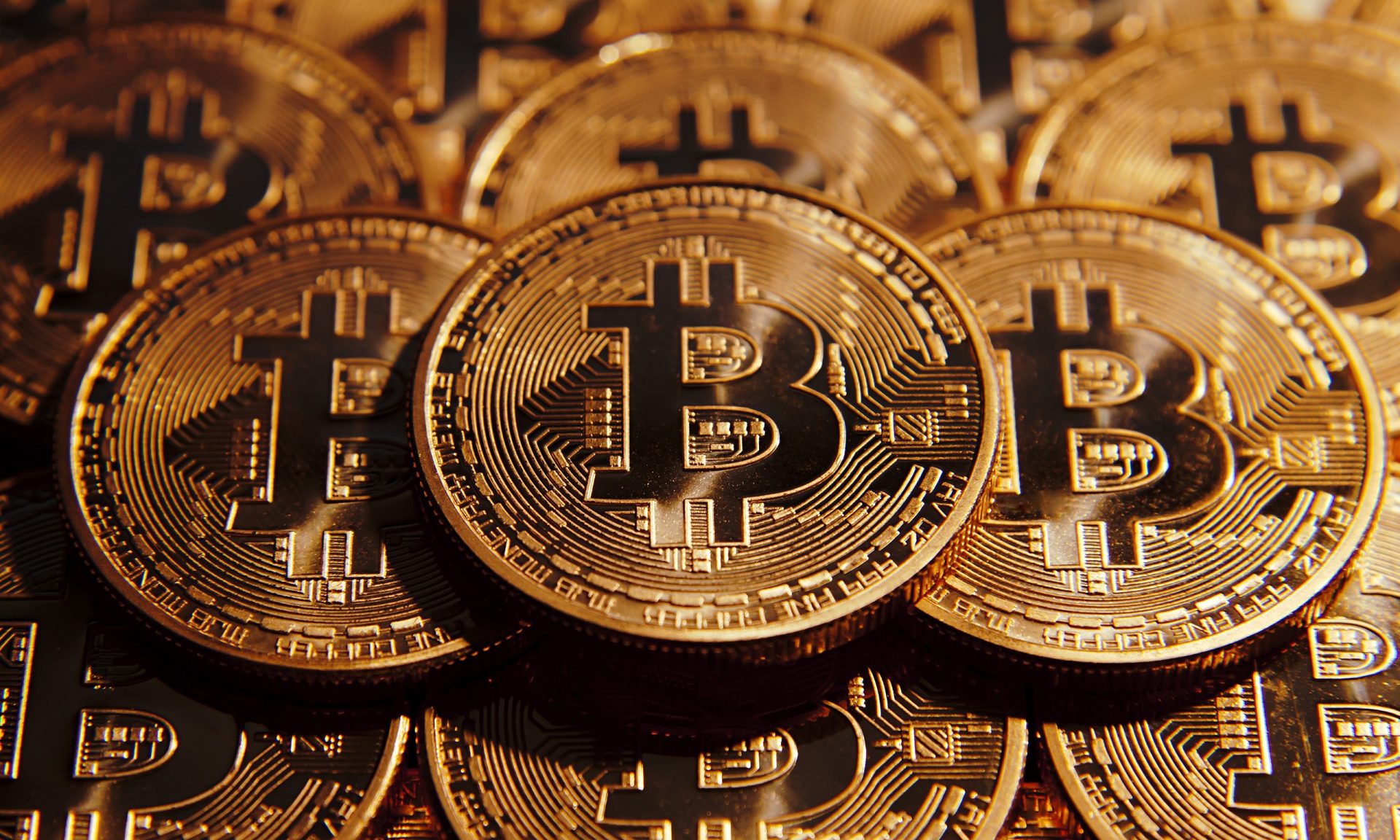
Bitcoin is a relatively new entrant into this game. As the currency of people with no political or military control of vital resources (except computing power; maybe it becomes backed by CPU cycles, storage, and other computational commodities), it can only gain market share by convincing people to use it. Consequently, it relies on exploiting story telling and mythology to get traction in the market.
Many bitcoin fans slip into mythological or archetypal roles without realizing it. Bitcoin is something they conceive of as outside The City's walls, and participating in bitcoin, usually just buying and selling it on exchanges while paying high fees and potentially incurring tax liabilities, is like a ticket into this wild space, something that signifies membership in The Rebellion.
It seems like there are two Patron deities of Bitcoin--Hermes and Apollo. Indeed, the name of Bitcoin's mythological founder Satoshi Nakamoto seems to be an allusion to Hermes. Satoshi, apparently meaning "quick witted", and "Nakamoto" means "of the center". Hermes is the quick, clever god who's the intermediary between gods and men. Bitcoin's seen as a replacement for a completely corrupt system. Adherents see its purity, its mathematical, Apollonian purity, as preferable to the glad-handing political corruption that surrounds our present financial system.
I'll dive into these associations more in future posts.